

Why budgets break and how the rule helps
A remodel can drift. One upgrade leads to the next. Then the final price shocks you. This happens because choices stack up. For example, moving walls triggers new floors, new electrical, and more permits. Costs jump fast.
The 30% Renovation Rule puts a firm top line on each space. Because you cap the spend, you choose within that limit. So you pick cabinets, fixtures, and layouts that fit. You still get great style. You just avoid the big overrun that hurts later.
Also, the rule matches how buyers think. Most buyers compare homes by price, size, and neighborhood. If you spend far above that range, you may not get the money back when you sell. So this rule protects value as well as sanity.
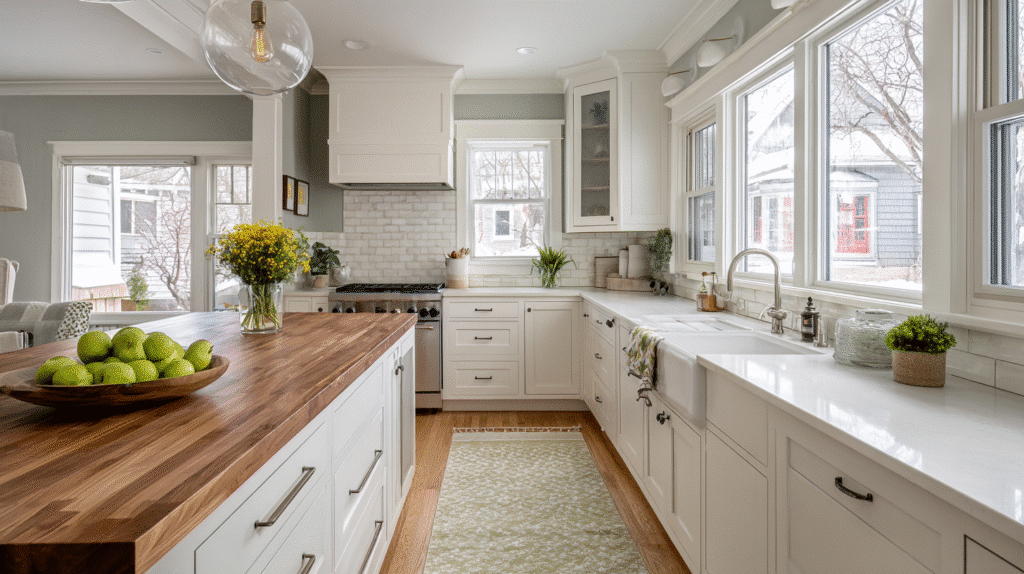
What the 30% Renovation Rule means in plain words
The idea is simple. Take your home value. Multiply by 30%. That number is the ceiling for one room or one zone. It is not a hard law. It is a smart guardrail. Here is how it looks.
- Home value: $300,000
- Max for a major kitchen: up to $90,000
- Typical bath: 5% to 15% of value, or $15,000 to $45,000
- Laundry or mudroom: usually lower than 5% unless you move plumbing
- Home value: $500,000
- Max for a full kitchen gut: up to $150,000
- Two typical baths in phases: $25,000 to $75,000 each, based on scope
Why 30%? Because most people do not recoup more than that on one space in a normal market. You can still choose a higher number if this is your forever home. Yet the rule keeps you honest and gives you a calm budget talk with family and your contractor.
Using the 30% Renovation Rule on real projects
So how do you use it day to day? Follow these quick steps.
- Know your home’s current value.
Ask a local agent for a price opinion. Also review recent neighborhood sales. In Milwaukee, look at homes with your layout and age. - Set the ceiling.
Multiply the value by 30%. Write that number in bold. Keep it at the top of every estimate and email. Everyone sees it. Everyone stays inside it. - Choose scope that fits.
If your dream plan blows past the ceiling, scale the scope. For example, keep the sink and range in place. Keep floors that still look good. Spend on cabinets, counters, and lighting first. - Phase smart.
You can split a big dream into two or three stages. Do the most valuable work now. Save nice-to-have items for next year. Phasing keeps cash flow steady. - Hold 10% to 15% for surprises.
Old homes hide things. You may need a panel upgrade or subfloor repair. A small reserve saves the day. - Track choices with a running total.
Use a simple sheet. Every selection adds to the total. As a result, you see the impact right away and can swap items before it is too late.
Milwaukee price context you can use
Prices in Southeast Wisconsin change by season and demand. However, the ranges below help you plan. These numbers assume licensed trades, permits, and mid-grade materials.
- Pull-and-replace kitchen in a 1,600–2,200 sq. ft. home: $35,000–$70,000
- Layout-change kitchen with wall move or island gas line: $70,000–$120,000
- Hall bath with tub, tile, and vanity: $18,000–$35,000
- Primary bath with walk-in shower: $30,000–$65,000
- Window package for 10–14 openings: $12,000–$28,000
- Siding refresh on a two-story: $18,000–$45,000
Now compare these to your 30% cap. If your home value is $350,000, the cap for a single space is $105,000. A layout-change kitchen might fit. A full bath plus custom tile and heated floor could also fit. Two big projects at the same time might not.
A quick table to guide targets
Use this table to see safe target ranges by project. You can print it and keep it on the fridge.
| Project type | Safe share of home value | $300k home | $450k home | Notes |
| Kitchen, layout mostly the same | 8%–15% | $24k–$45k | $36k–$67.5k | Great for resale and daily life |
| Kitchen, major layout change | 15%–30% | $45k–$90k | $67.5k–$135k | Use only if plan adds function |
| Hall bath | 5%–10% | $15k–$30k | $22.5k–$45k | Focus on tile and ventilation |
| Primary bath | 8%–15% | $24k–$45k | $36k–$67.5k | Spend on shower, not niche extras |
| Basement finish | 10%–20% | $30k–$60k | $45k–$90k | Moisture proofing first |
| Windows package | 3%–6% | $9k–$18k | $13.5k–$27k | Energy savings plus curb appeal |
The table keeps choices grounded. If a bid lands above the range, ask what drives the cost. Then trim or phase.
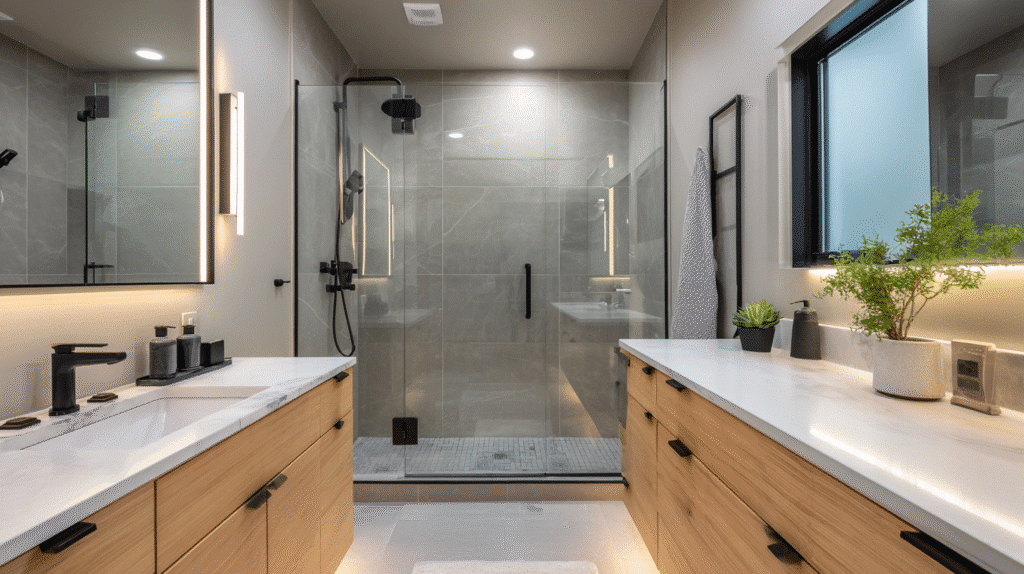
Why the rule still works if you never plan to sell
You may say, “This is my forever home.” Fair. Comfort matters. Even then, the rule helps. First, it keeps debt in check. Second, it makes sure you can still fund roof, HVAC, and window work later. Third, life can change. A new job or family need may send you to a new zip code. Staying near the 30% Renovation Rule keeps future options open.
How to balance style, function, and cost
You do not have to give up beauty to hit the number. Use these value levers.
- Layout first. A smart layout saves money in the long run. Good work flow beats high-end finishes with a clumsy plan.
- Cabinets before gadgets. Strong boxes and full extension drawers pay off every day. You can add luxury gadgets later.
- Mid-grade counters, premium lighting. Durable quartz and bright, layered lighting make a space feel high end without a top-tier bill.
- One show piece, not five. Pick one wow item. A waterfall edge or a statement tile wall is enough.
- Durable floors. In Wisconsin, choose floors that handle snow, salt, and pets. Think porcelain tile or good LVP.
Common traps and easy fixes
Even smart owners slip. Watch for these traps.
- Scope creep. The plan grows mid-stream. Fix: freeze scope at sign-off. Any change must show cost and time impact in writing.
- Too many allowances. An “allowance” is a placeholder price. Fix: pick actual models before demo so the price is firm.
- Moving utilities without reason. Relocating gas, drains, or main vents adds cost. Fix: keep the work triangle and plumbing near current spots unless a move saves big.
- Custom everything. Custom sizes and colors look great but ruin budgets. Fix: mix stock sizes with one or two custom pieces.
- Ignoring permits and lead time. Delays add cost. Fix: plan permits and order long-lead items first.
Financing that plays nice with the rule
You might pay cash. You might use a HELOC or a fixed home improvement loan. Either way, tie the payment to the rule.
- Cash strategy: Save 110% of the target cost. The extra 10% covers surprises.
- HELOC strategy: Borrow only what fits your 30% cap. Keep the rate and term short enough to pay off before your next big life event.
- Rebates and credits: Windows, doors, insulation, and heat pumps may qualify for state or federal incentives. These reduce the net cost and stretch your budget further.

A step-by-step worksheet you can copy
Follow this order. It keeps decisions clear and stress low.
- Home value: $__________
- 30% ceiling per space: $__________
- Your comfort budget (often lower than the ceiling): $__________
- Must-haves list (function): __________________________
- Nice-to-haves list (style): __________________________
- Pick a phasing plan: One stage | Two stages | Three stages
- Holdback for surprises (10%–15%): $__________
- Running total after each choice: update weekly
- Sign off on drawings, scope, and schedule
- Celebrate small wins. Stay within the line.
What about ROI and market fit?
Return on investment is not guaranteed. Yet some projects tend to hold value better. National studies often show solid resale lift from minor kitchen updates, energy upgrades, and new siding. In contrast, luxury tile everywhere or high-end built-ins may not return dollar for dollar. Because buyers shop by area comps, aim for “best in class” for your block, not “best in city” with a price far above the neighborhood.
Finally, remember that value is more than sale price. A safer layout, better air quality, and lower utility bills add daily value that you and your family enjoy right now.
When to bend the rule
Rules have exceptions. You may go past 30% if:
- You must correct serious issues like water, structure, or electrical safety.
- You own a historic home where quality craft is key to integrity.
- You plan to add an ADU or rent part of the home and can model clear income to offset cost.
If you bend the rule, set a firm new cap and phase the work.
Tools and teamwork that keep you on track
Pick a contractor who loves transparency. Ask for:
- A clear work scope with line items
- A selection schedule with due dates
- Change order rules with cost and time impact
- Weekly check-ins and a shared punch list
Use simple tools you already know. A shared spreadsheet, a folder for quotes, and a notes app keep everyone aligned. Then store serial numbers and paint codes for future fixes.
Quick checklist to print
- Find your home value
- Write your 30% ceiling
- Set your comfort range
- List must-haves and nice-to-haves
- Plan phases and a 10%–15% reserve
- Lock the scope and schedule
- Track every choice against the running total
- Review weekly until punch out
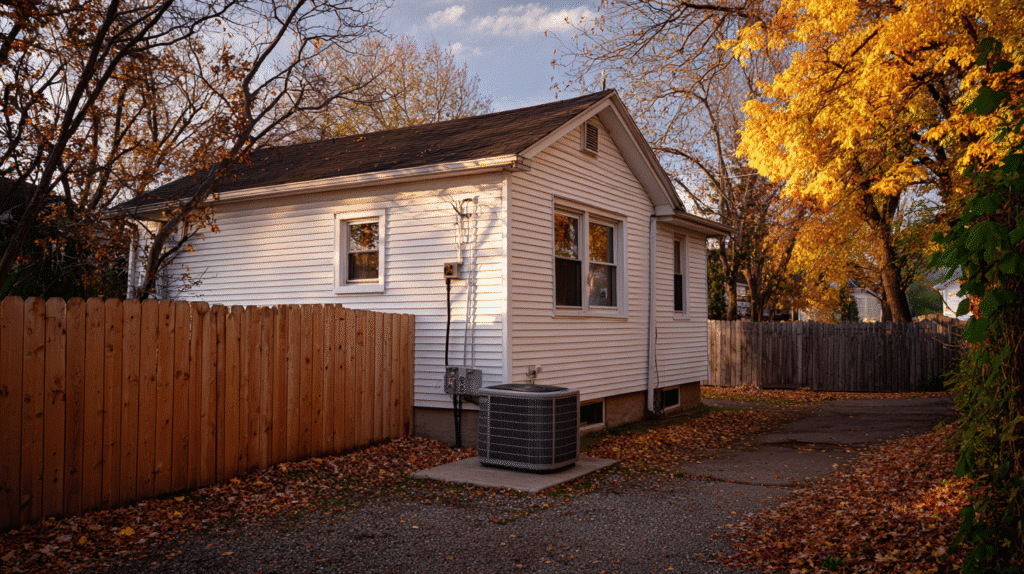
A Milwaukee note on seasons and trades
In Wisconsin, winter affects schedules. Because of cold and snow, exterior work may pause. Lead times can grow in spring. So book early for windows, siding, and decks. For interior remodels, many owners start in late fall to finish before holidays. Good planning around the calendar keeps crews steady and bids fair.
The role of design in hitting budget
Good design is not a luxury. It saves money. A designer plans drawer sizes that fit your pans. This avoids waste on odd fillers and redo work. A designer also builds a palette so all items work together. You buy once, not twice. Ask for drawings you can read, finish boards you can touch, and a lighting plan that layers general, task, and accent light.
Bring it together
The 30% Renovation Rule gives you a simple path. Set a firm cap. Make choices inside that limit. If plans grow, break the job into phases. As a result, you get a home you love and a number you can live with. Keep the rule close. Use it at the start, during design, and again at every change order. It will steer you well.
Milwaukee readers: Tiltin Windows, Doors & More can help
If your plan includes new windows or a new entry, Tiltin Windows, Doors & More serves Milwaukee and nearby towns. The team has more than 20 years of local experience. They offer free, friendly consultations. They walk you through options, energy savings, and fair pricing that fits your plan. Schedule a visit when you are ready to compare quotes and see products up close.
FAQs
What is the 30% Renovation Rule?
It is a budgeting guide. Do not spend more than 30% of your home value on one space. It keeps you from overspending and protects resale.
Does the rule include furniture and decor?
No. It covers hard costs like labor, materials, permits, and fixtures. You can add a separate line for furniture.
Can I use the rule for a whole-home remodel?
Yes, but apply it per space. Set a cap for the kitchen, each bath, and each zone.
What if bids are all higher than my cap?
Trim scope or phase work. Keep layout changes to a minimum. Pick mid-grade finishes with one show piece.
How much should I hold for surprises?
Hold 10% to 15% of the total project cost for hidden issues.
Will I get my money back when I sell?
No one can promise that. Yet right-sized projects in kitchens, baths, and energy upgrades usually help resale more than niche luxury items.
Is DIY worth it?
It can be. Be honest about skill, time, and tools. A poor DIY job can cost more to fix later.
Sources
- Remodeling Magazine. “2024 Cost vs. Value Report.” https://www.remodeling.hw.net/cost-vs-value/ (Accessed Nov 4, 2025).
- Consumer Financial Protection Bureau. “Budgeting basics and building emergency savings.” https://www.consumerfinance.gov/ (Accessed Nov 4, 2025).
- National Association of Home Builders. “Understanding the Value of Remodeling.” https://www.nahb.org/(Accessed Nov 4, 2025).
- Consumer Reports. “Best Remodeling Projects for Resale.” https://www.consumerreports.org/ (Accessed Nov 4, 2025).