
Worried your entry is wearing out? You’re not alone. Many homeowners ask, how long do front doors last, and what can they do to make them last longer. In this guide, we break down true Front Door Lifespan by material, climate, and care. We also show easy maintenance steps, costs, and clear signs it is time to replace. By the end, you will know how to choose wisely and keep your door performing for decades.
Why door life varies so much
A front door looks simple, but many parts age at different speeds: slab, finish, glass, frame, sill, weatherstripping, hinges, and lockset. Because these components wear in different ways, two doors on the same street can age very differently. For example, a door under a deep porch often outlasts the same door that faces full sun and wind. Regular care also matters. A light cleaning and quick seal check once or twice a year can add years.
To set expectations, think of Front Door Lifespan as a range influenced by four big drivers:
- Material of the slab and frame.
- Exposure to sun, rain, snow, wind, and salt.
- Installation quality and flashing at the sill.
- Maintenance of finish, gaskets, and hardware.
How long doors last by material
Below are realistic ranges pulled from manufacturer data, trade standards, and field experience. These match what most inspectors see in the Midwest.
Steel front doors
Steel shines for security and energy savings. Most residential slabs use 24-gauge galvanized steel skins over foam cores. The zinc coating fights rust, and the smooth surface takes paint well.
- Typical lifespan: 30 to 100 years when protected by an overhang and repainted as needed.
- Care: Wash twice a year. Touch up chips quickly so rust cannot start. Check weatherstripping yearly.
- Best for: Cold climates, tight budgets, and when you want a crisp, painted look.
Wood front doors
Wood brings warmth that many homeowners love. Species matters a lot.
- Typical lifespan: 20 to 60 years with regular sanding and re-coating.
- Species guide:
- Cedar ~40 years
- Mahogany ~60 years
- Oak ~30 years
- Pine ~20 years
- Maple ~30 years
- Care: Clean seasonally. Refinish when sheen dulls or hairline cracks appear. Keep bottom edge sealed.
- Best for: Covered entries and homes where character matters most.
Fiberglass front doors
Modern fiberglass mimics wood grain while staying light and stable. It will not warp like wood or dent as easily as thin steel.
- Typical lifespan: Up to 70 years.
- Care: Wash with mild soap. Recoat stain or paint every 5–10 years depending on sun.
- Best for: High-moisture or high-sun locations where you still want a wood look.
Glass-forward doors (full-lite, French, modern)
These bring natural light and curb appeal. Look for safety glazing and insulated units.
- Typical lifespan: 50+ years when you use tempered or laminated glass and quality frames.
- Care: Keep weep holes clear. Reseal glazing beads if shrinks appear.
- Best for: Bright entries and modern designs. Double- or triple-pane glass improves comfort in cold regions.
Quick comparison table
| Door Type | Realistic Lifespan | Maintenance Level | Highlights | Watch-outs |
| Steel | 30–100 yrs | Low | Strong, energy efficient, easy to paint | Touch up chips to prevent rust |
| Fiberglass | Up to 70 yrs | Low–Medium | Stable in heat/cold, mimics wood | Lower-end skins can look plastic |
| Wood (species varies) | 20–60 yrs | Medium–High | Classic look, repairable | Needs regular finish, sensitive to sun |
| Glass-forward (tempered/laminated) | 50+ yrs | Low–Medium | Daylight and style | Needs quality frames, clear weeps |
Tip: Add a deep overhang or storm door and you often extend Front Door Lifespan by years.
What affects Front Door Lifespan besides material
1) Exposure and orientation
- South and west faces get harsh sun. UV breaks down finishes.
- North faces stay damp. This invites mildew and swelling.
- Wind-driven rain finds weak seals, especially at the sill.
- Snow and salt speed corrosion at kick plates and hinges.
2) Overhangs and storm doors
- An overhang is the easiest life extender. Aim for a projection at least half the door’s height if possible.
- A storm door adds a weather shield and energy gain. However, in full sun it can trap heat, so use vent screens or low-E glass when needed.
3) Finish and color
- Light colors reflect heat. Dark colors can curl thin skins and stress joints.
- Use exterior, UV-resistant paint or a marine-grade spar varnish for stained wood.
- Refinish at the first dull patches rather than waiting for peeling.
4) Frame and sill details
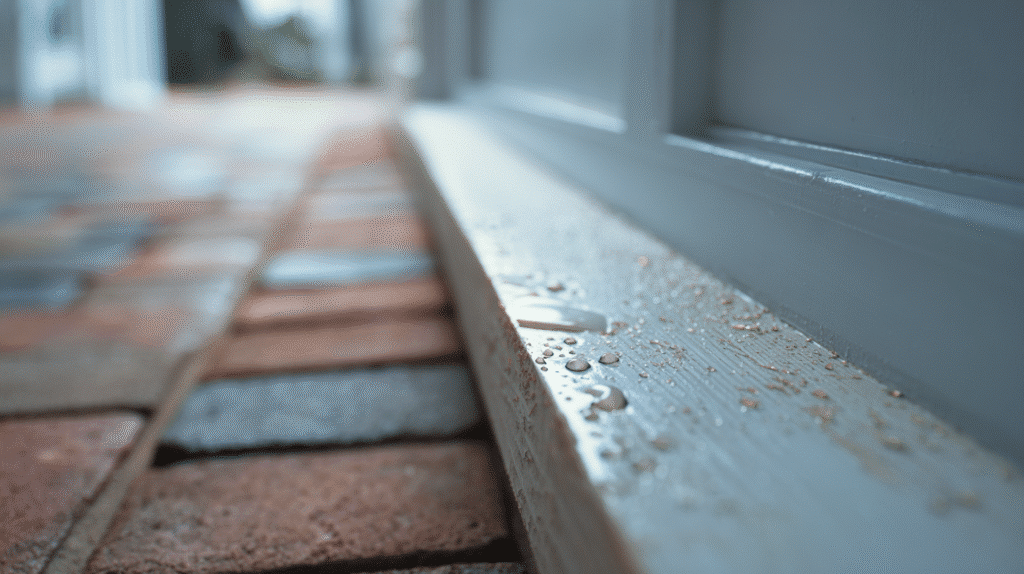
- Most premature failures start at the bottom. Proper flashing, a sloped sill, and rot-resistant jambs prevent water intrusion.
- Replace worn threshold gaskets and sweeps. A $15 part can save a $1,500 slab.
5) Hardware and weatherstripping
- Hinges, latch plates, and multi-point locks carry weight and motion every day.
- Replace compressible gaskets every 8–10 years or when drafts appear.
- Lubricate hinges twice a year with a dry lube to keep grime away.
6) Installation quality
Even the best slab fails if the opening is out of square or the sill lacks support. Proper shimming at hinges and latch side maintains reveal lines and keeps the door from binding.
Maintenance that adds years (simple calendar)
Try this seasonal plan. It is easy and keeps warranties intact.
Spring
- Wash slab, glass, and frame with mild soap.
- Inspect caulk lines and touch up paint or clear coat.
- Check sweep contact across the full width.
Summer
- Look at the top and bottom edges. These get missed and often soak up moisture.
- If you have a storm door, use screen mode to vent extra heat.
Fall
- Replace cracked weatherstripping.
- Tighten hinge screws into the framing, not just the jamb.
- Wax painted steel or fiberglass with a polymer sealant for extra UV defense.
Winter
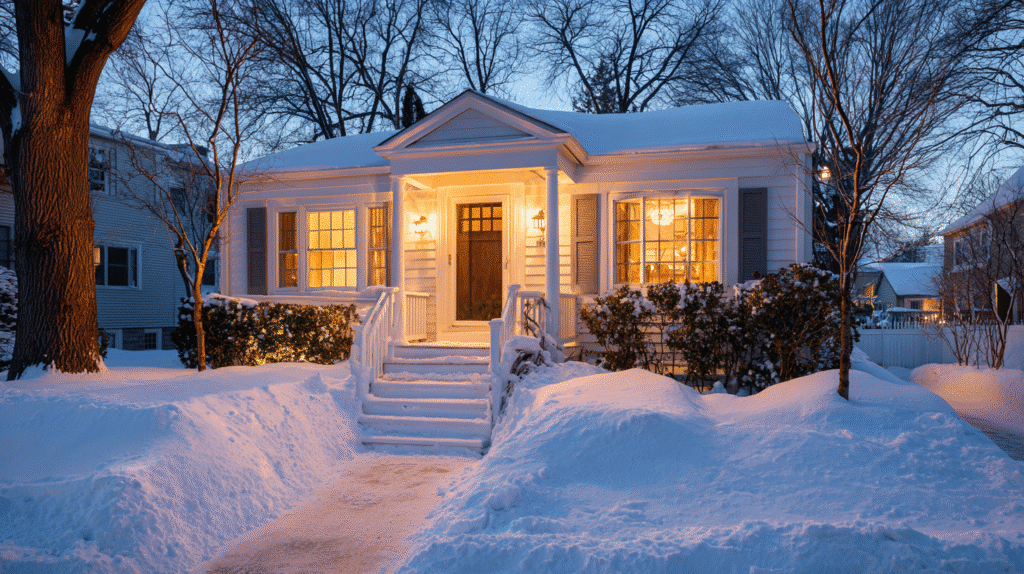
- Clear snow from the sill to prevent ice dams.
- Do a dollar-bill test around the perimeter. If the bill slides freely when closed, adjust or replace the seal.
When to repair vs. replace
Sometimes a quick fix is enough. Other times, replacement saves headaches and energy.
Repair makes sense when:
- Paint is faded but the slab and frame are sound.
- A single hinge is loose but the screws can be upsized and anchored into the stud.
- Weatherstripping is brittle or the sweep is torn.
- A steel slab has a small, surface rust spot you can sand and repaint.
Replace when you see:
- Rot at the jamb bottom or sub-sill.
- Persistent leaks or daylight around the latch even after adjustments.
- Warping that prevents a consistent seal.
- Delamination on cheap veneers or fiberglass skins.
- A door that is unsafe due to a failed lock area or forced-entry damage.
Cost ranges and value notes
Prices vary by region, but these ballparks help you plan.
- Steel: $250–$2,000 for slab; $1,000–$4,000+ installed with frame, glass, and hardware.
- Fiberglass: $600–$4,000 slab; $2,000–$7,500+ installed for premium styles.
- Wood: $900–$6,000 slab; $3,000–$10,000+ installed for custom species and sizes.
- Glass-forward and modern: $2,500–$12,000+ installed depending on glazing and multi-point locks.
Resale tip: New doors are a top curb-appeal upgrade and can recoup a strong portion of cost when done well because they improve both aesthetics and energy performance.
Using warranties the smart way
Read the fine print. Many “lifetime” slab warranties are prorated and require:
- A proper overhang for stained wood.
- Approved finishes and re-coating intervals.
- Registered hardware or glass components.
Keep receipts and date-stamped photos after maintenance. If you ever need service, that proof helps.
Front Door Lifespan in harsh climates
In the Upper Midwest and around Lake Michigan, freeze–thaw cycles test every seam. Here is how to respond:
- Choose composite or rot-proof jambs with integral brickmold.
- Pick a thermally broken sill so interior frost is less likely.
- Use low-E, argon-filled glass in lites or sidelights for comfort.
- Consider fiberglass if you have little overhang but want a wood look.
The big question answered clearly
So, how long do front doors last? With a roof or overhang and modest yearly care, most homeowners see about 30 yearsfrom any quality door system. Material, exposure, and maintenance can move that number:
- Steel: 30–100 years
- Fiberglass: Up to 70 years
- Wood: 20–60 years, species and finish dependent
- Glass-forward: 50+ years with good frames and sealed units
If you do nothing and the door bakes in sun or sits in standing water, even the best slab will fail early. With basic care, nearly all doors deliver decades.
Front Door Lifespan: common mistakes and easy fixes
- Skipping the overhang
- Fix: Add a small awning, portico, or deeper storm door.
- Dark paint on full-sun steel
- Fix: Use a light, reflective color or a heat-reflective paint formula.
- Unsealed bottom edge on wood
- Fix: Remove the sweep and seal that hidden edge.
- Ignoring gasket wear
- Fix: Replace perimeter weatherstripping every 8–10 years.
- Loose hinges
- Fix: Replace short screws with 3-inch screws into the framing.
- Flat sill
- Fix: Add or replace with a sloped, thermally broken threshold and proper end dams.
Step-by-step: extend your door’s life this weekend
- Clean the slab, glass, and frame with soapy water. Rinse well.
- Inspect the finish under bright light. Note dull spots and hairline cracks.
- Check seals with the dollar-bill test around all sides.
- Tighten hinge and strike screws. Replace any that spin freely.
- Lubricate hinges and latch with a dry film product.
- Replace the sweep if it is torn or stiff.
- Touch up paint or spar varnish. Feather edges so repairs blend.
- Document the date and products used. Store photos with your receipts.
These small tasks often add five or more years to practical Front Door Lifespan.
FAQ highlights inside the article flow
We include a full FAQ later, but here are quick answers many readers want now:
- Does a storm door help? Yes, it reduces weathering. Vent in summer to prevent heat build-up.
- Can I repair a dented steel door? Minor dents can be filled and repainted. Deep creases near the lock usually call for replacement.
- Do new frames matter? Absolutely. Swapping a slab into a rotten frame is a short-term patch.
Milwaukee note: getting local life expectancy right
Homes near Lake Michigan fight wind-driven rain and freeze–thaw cycles. Because of that, Milwaukee homeowners should favor:
- Deep overhangs or porticos.
- Composite jambs and PVC brickmold.
- High-quality low-E insulated glass in any lites or sidelights.
- Multi-point locks on tall or heavy doors to keep an even seal.
These choices align with long Front Door Lifespan in the region.
Image block(s)
- Filename: front-door-lifespan-milwaukee-entry-porch.jpg
Suggested width: 1600 px
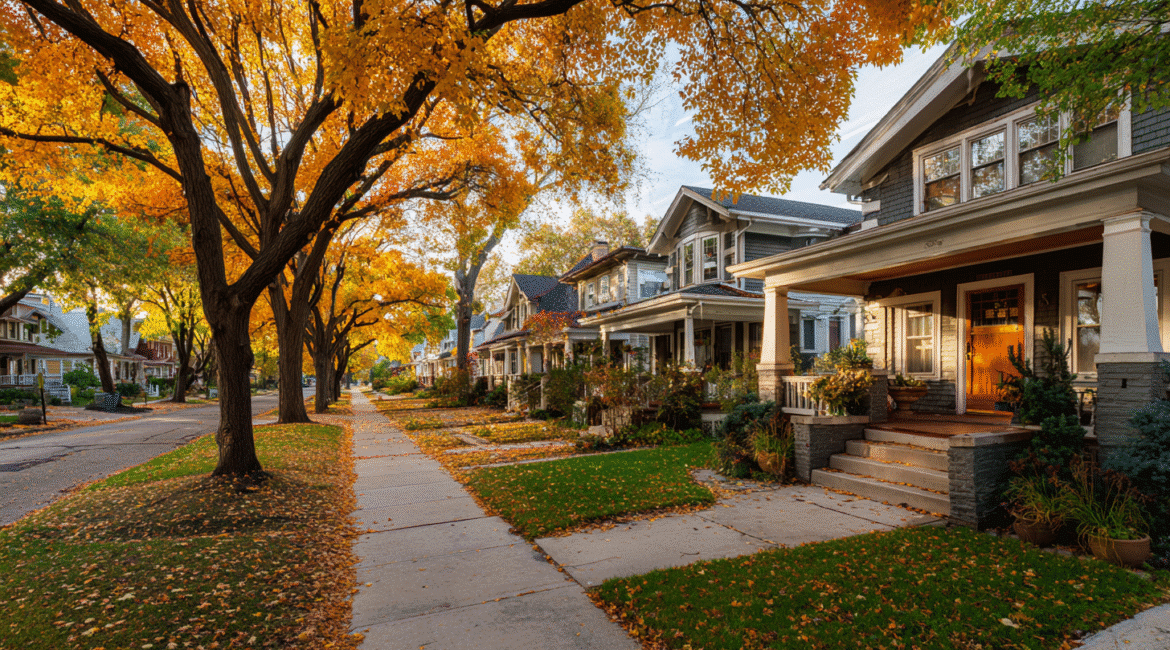
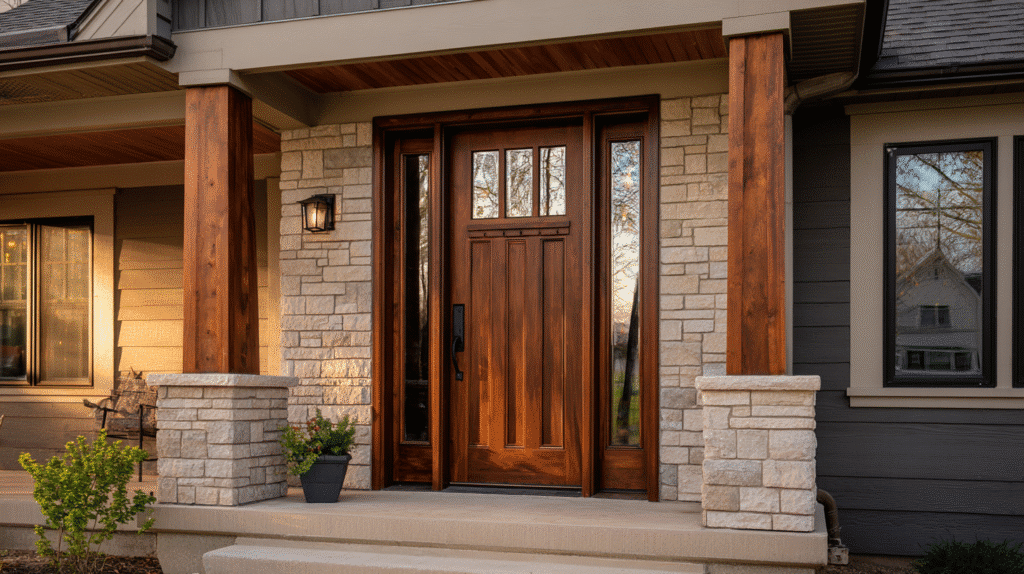
Alt text: Front Door Lifespan illustrated by a protected Milwaukee entry with fiberglass door, sidelights, and deep overhang in fall light - Filename: front-door-lifespan-materials-comparison-chart.png
Suggested width: 1400 px
Alt text: Chart comparing front door lifespan for steel, fiberglass, wood, and full-glass doors with care levels
Tiltin Windows, Doors & More — for neighbors in Milwaukee
If you live in Milwaukee or nearby, the team at Tiltin Windows, Doors & More has helped homeowners for more than 20 years. If you want friendly advice or a no-pressure look at door options, reach out for a free consultation. They will size your opening, explain weatherproof details, and share honest cost ranges so you can choose with confidence.
FAQs
How often should I replace weatherstripping?
Every 8–10 years is common, but replace sooner if you see daylight, feel drafts, or hear whistling. Fresh gaskets improve comfort and keep water out.
Is fiberglass really better than wood in cold climates?
Often, yes. Fiberglass is stable and shrinks less in winter, so it holds a seal well. With a quality finish, it handles sun and snow with minimal upkeep.
Can I repaint a steel door myself?
Yes. Clean, scuff sand with 220 grit, spot prime any bare metal with rust-inhibiting primer, and finish with exterior acrylic or a factory-approved urethane. Avoid dark colors in full sun.
What is the biggest killer of wooden doors?
Unsealed end grain at the top and especially the bottom edge. Keep those edges sealed and you add years.
Do storm doors reduce energy bills?
They can by adding an extra layer of air and cutting drafts. Pick low-E glass and vent in summer to avoid heat build-up that can stress the main door.
Are composite jambs worth it?
Yes. They resist rot and do not wick water from wet thresholds. In wet or snowy regions, they are a strong upgrade.
How do I know the door was installed right?
Reveals should be even, latch should close without force, and the sweep should just kiss the threshold. Water should run away from the sill, not toward it.
Sources
- ENERGY STAR. “Windows, Doors, and Skylights – Energy Efficiency.” https://www.energystar.gov (accessed Nov 5, 2025).
- Steel Door Institute. “Care and Maintenance for Steel Doors and Frames.” https://www.steeldoor.org (accessed Nov 5, 2025).
- Forest Products Laboratory, USDA. “Wood Handbook: Wood as an Engineering Material.” https://www.fpl.fs.fed.us (evergreen; accessed Nov 5, 2025).
- National Fenestration Rating Council (NFRC). “Understanding Energy Performance Ratings.” https://www.nfrc.org (accessed Nov 5, 2025).